
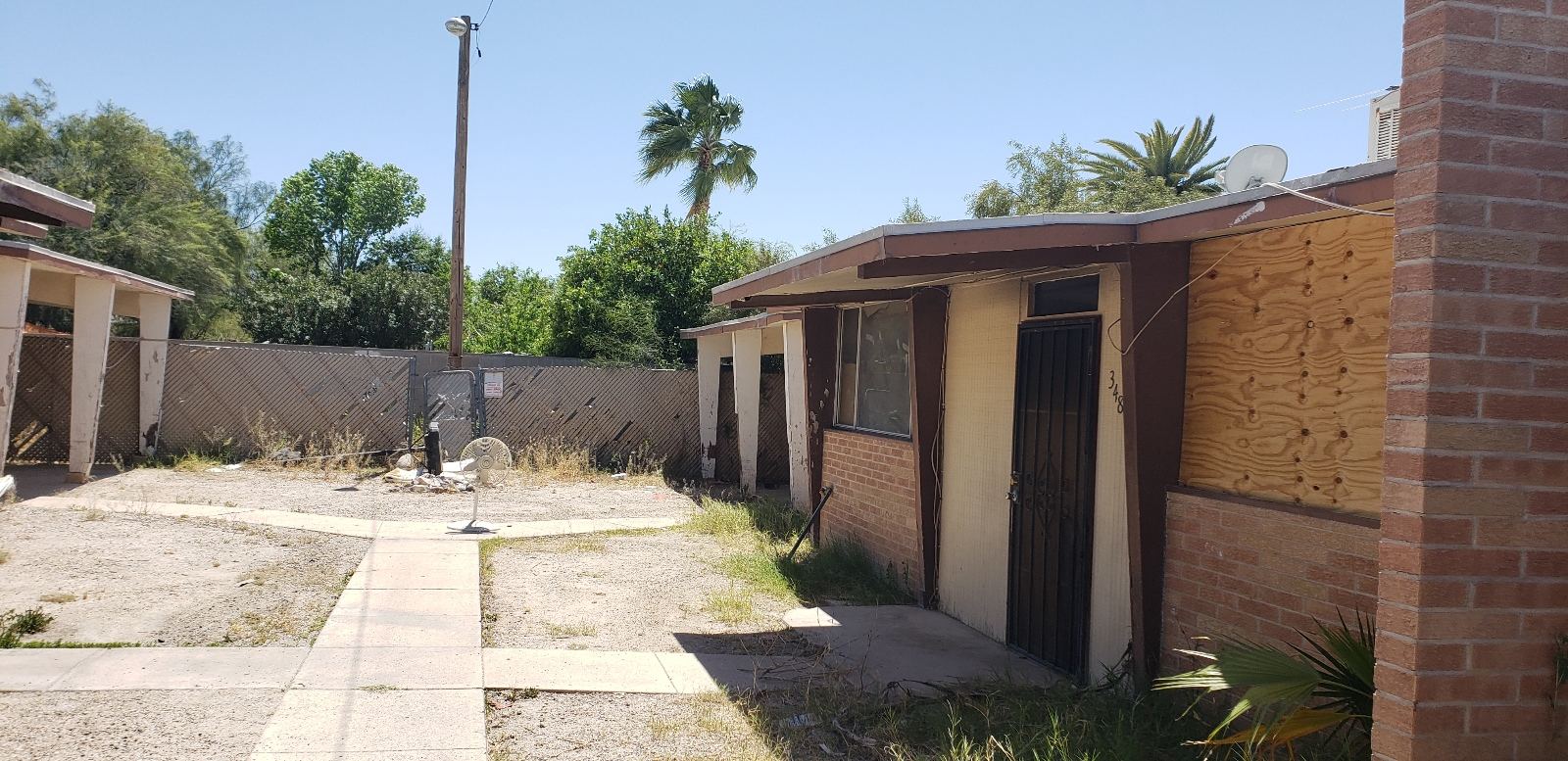
If you need help paying your mortgage and bills, you aren’t alone. Nationwide, 3.68% of mortgages (one in every 27) are in default, according to the federal reserve. If you’ve found yourself in an ugly situation and are facing foreclosure, you have several options to save your home.
The first thing you should do is call your mortgage lender as soon as you realize that you can’t make a mortgage payment. Your lender’s contact information should be printed on your mortgage statement or coupon book. Explain why you can’t make the payment, and whether this is a temporary or permanent problem. Be prepared to provide details about your income, your household expenses, and your savings. With that being said, here are 7 ways to avoid foreclosure:
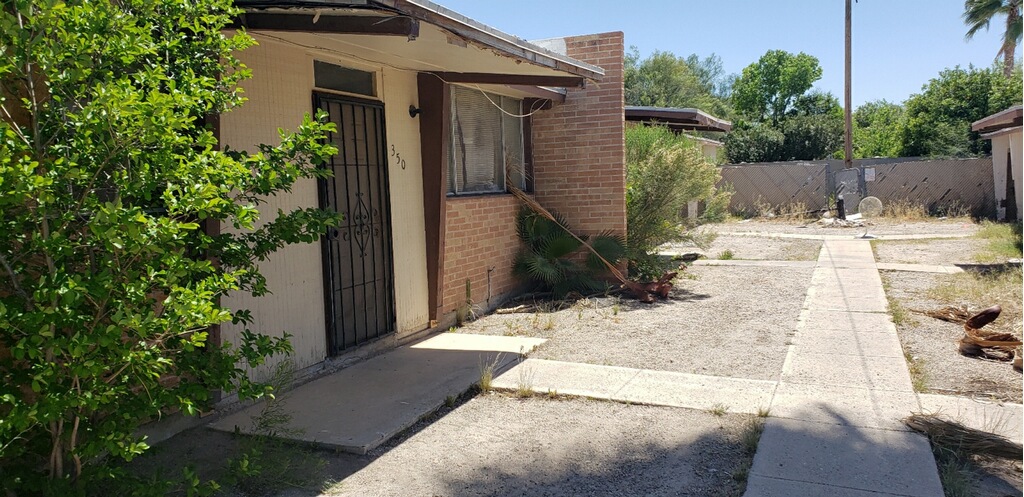
1. Mortgage Loan Modification
The lender may modify the terms of your loan so that you have a more affordable monthly payment. However, this could extend the number of years that you must continue paying the mortgage, which could end up costing you more money in the long run. Be sure that you can actually afford the new payment amount, or your home could end up in mortgage delinquency again.
2. Repayment Plan
The lender may offer a structured repayment schedule that allows you to get caught up over a specific period of time. This doesn’t reduce the total amount you owe. Before taking this option, make sure that you can actually pay more money every month until you become current.
3. Forbearance
Under a forbearance agreement, you would be allowed to temporarily make a lower mortgage payment, or skip several months. This option is generally only offered for temporary hardships, such as a job loss, natural disaster, or illness.
4. Short Sale
A “short sale” means selling your house for less than the amount you owe on your mortgage. After the sale, the lender may or may not be able to enforce your obligation under your mortgage for the difference, depending on the laws where you live and the terms of your mortgage. Before you agree to a short sale, you may ask your lender to agree in writing to waive any deficiency, so that they can’t attempt to collect the remainder of the mortgage from you.
5. Deed in Lieu of Foreclosure
Essentially, a deed-in-lieu of foreclosure means that you sign your house over to the lender and walk away in order to avoid foreclosure. As with a short sale, you need to make sure that you won’t be held personally liable for the remainder of the mortgage. Also, you should ask your lender if they have a so-called “cash for keys” program, which can help pay for your relocation costs.
6. Call a HUD-Approved Housing Counselor
Before you sign any agreements, you may want to call the Department of Housing and Urban Development (HUD) for advice. They offer free housing counseling to struggling homeowners. A counselor can discuss your situation and look for government programs that may help you. They can also give you assistance with budgeting, managing credit card debt, and solving other financial challenges. Contact your regional HUD office to learn more.
7. Sell Your House for Cash
If you can’t afford your mortgage, the easiest option may be to move on from an ugly situation by selling your home for cash. In most cases, TU CASA can close on your home quickly, with no extra fees, no closing costs, and no waiting. To find out more about selling your house for cash to the most trusted name in the business, contact TU CASA today.
Si necesita ayuda para pagar su hipoteca y sus cuentas, no está solo. A nivel nacional, el 3.68 % de las hipotecas (una de cada 27) está en incumplimiento, según la Reserva Federal. Si se encuentra en una situación difícil y enfrenta una ejecución hipotecaria, tiene varias opciones para salvar su casa.
Lo primero que debe hacer es llamar a su prestamista en cuanto sepa que no podrá hacer un pago. La información de contacto debe aparecer en su estado de cuenta hipotecario o en su libreta de cupones. Explique por qué no puede pagar y si el problema es temporal o permanente. Esté listo para dar detalles sobre sus ingresos, sus gastos del hogar y sus ahorros. Dicho esto, aquí tiene 7 maneras de evitar una ejecución hipotecaria:
1. Modificación del préstamo hipotecario
El prestamista puede cambiar los términos de su préstamo para que tenga un pago mensual más cómodo. Sin embargo, esto podría alargar los años que le quedan pagando la hipoteca, lo que a la larga podría costarle más dinero. Asegúrese de que realmente puede pagar la nueva cantidad, o su casa podría volver a atrasarse.
2. Plan de pagos
El prestamista puede ofrecerle un calendario de pagos estructurado para ponerse al día en un período de tiempo específico. Esto no reduce lo que debe en total. Antes de aceptar esta opción, asegúrese de que puede pagar más dinero cada mes hasta quedar al día.
3. Indulgencia (forbearance)
Con un acuerdo de indulgencia, se le permite hacer pagos más bajos por un tiempo o saltarse varios meses. Esta opción normalmente solo se ofrece para dificultades temporales, como la pérdida del empleo, un desastre natural o una enfermedad.
4. Venta corta (short sale)
Una "venta corta" significa vender su casa por menos de lo que debe en la hipoteca. Después de la venta, el prestamista podría o no cobrarle la diferencia, según las leyes donde usted vive y los términos de su hipoteca. Antes de aceptar una venta corta, puede pedirle al prestamista que acepte por escrito perdonar esa diferencia, para que no intente cobrarle el resto de la hipoteca.
5. Entrega de la escritura en lugar de ejecución (deed in lieu)
En esencia, entregar la escritura en lugar de la ejecución hipotecaria significa que usted le cede la casa al prestamista y se va, para evitar la ejecución. Igual que en la venta corta, asegúrese de que no quedará personalmente responsable por el resto de la hipoteca. También pregúntele al prestamista si tiene un programa de "dinero por llaves" (cash for keys), que puede ayudarle a cubrir los gastos de mudanza.
6. Llame a un consejero de vivienda aprobado por HUD
Antes de firmar cualquier acuerdo, le conviene llamar al Departamento de Vivienda y Desarrollo Urbano (HUD) para pedir orientación. Ofrecen consejería de vivienda gratuita a dueños de casa con dificultades. Un consejero puede analizar su situación y buscar programas del gobierno que le ayuden. También pueden ayudarle con su presupuesto, sus deudas de tarjetas de crédito y otros retos financieros. Contacte a su oficina regional de HUD para más información.
7. Venda su casa en efectivo
Si no puede pagar su hipoteca, la opción más fácil puede ser salir de la situación vendiendo su casa en efectivo. En la mayoría de los casos, TU CASA puede cerrar rápido, sin cargos extra, sin costos de cierre y sin esperas. Para saber más sobre cómo venderle su casa en efectivo a un comprador de confianza, contacte hoy a TU CASA.